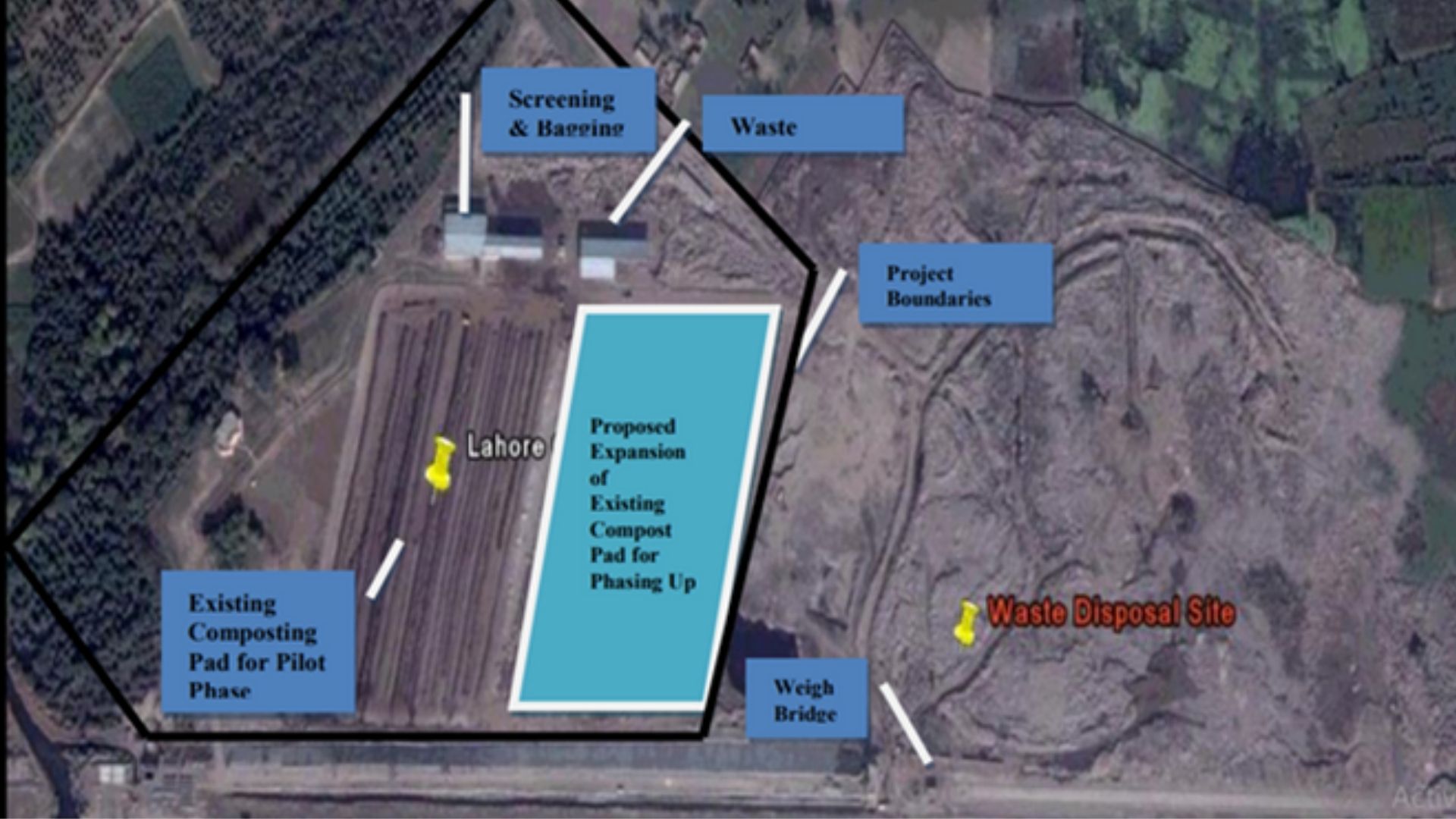
Lahore Compost Ltd. set out to become Pakistan's first large-scale municipal solid waste (MSW) composting project. We led the project from technology rollout to carbon credit registration, turning city waste into compost, verified emission reductions and a new refuse-derived fuel (RDF) business.
- Location
- Pakistan
- Sector
- Waste Management
The Brief
We were brought in to lead Lahore Compost Ltd., Pakistan's first large-scale MSW composting project. The mandate was to implement technology capable of processing 1,000 tons of waste a day and turning it into compost, reducing the methane emissions the waste would otherwise produce.
The brief also extended to expanding into RDF production, using the combustible fractions of the city's waste as fuel.
The Obstacle
Composting is not mandated in Pakistan, so the project had to navigate technical, financial and market barriers without regulation to create demand.
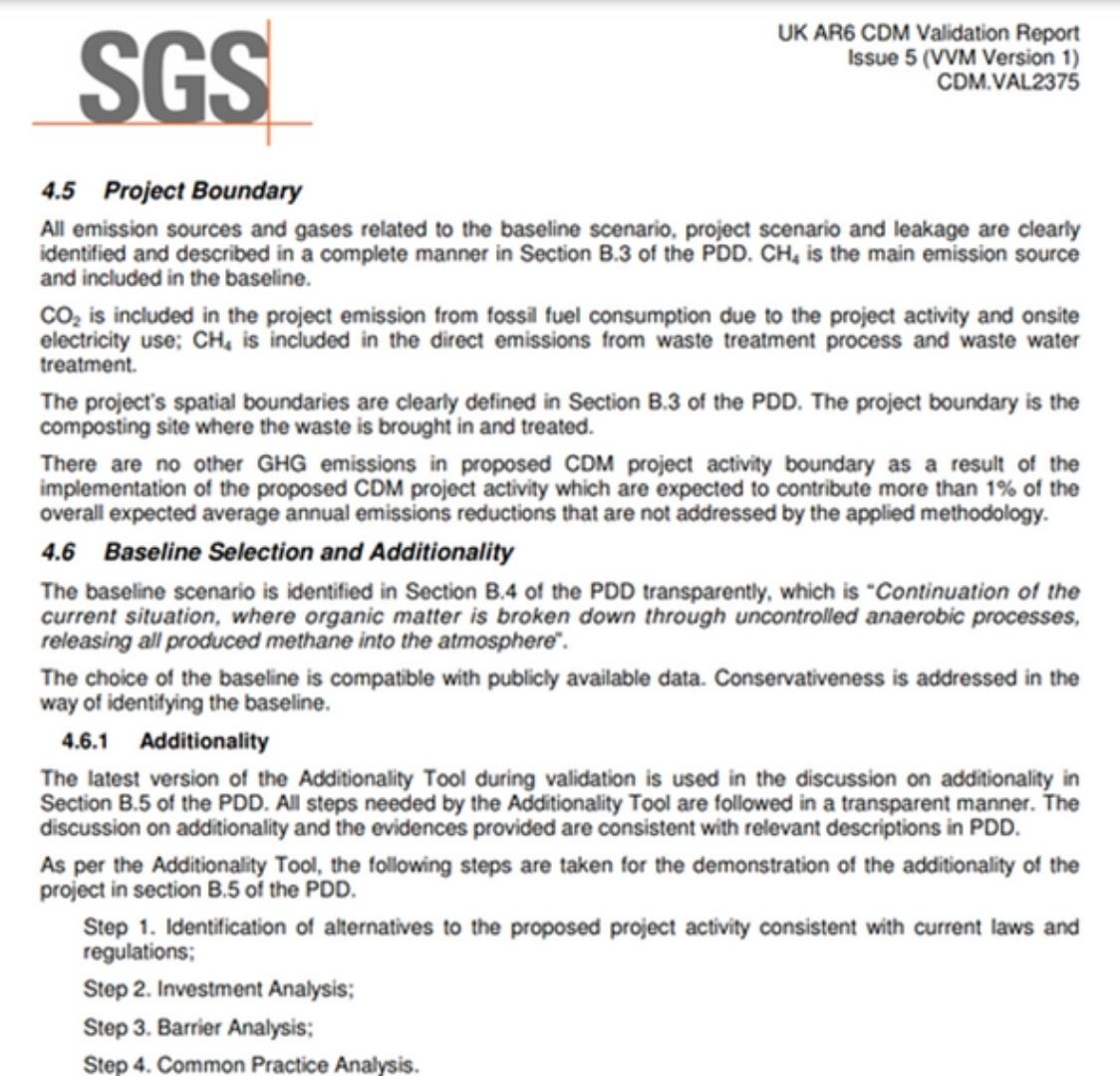
Earning carbon credits meant registering under the UNFCCC's Clean Development Mechanism (CDM) and meeting its compliance requirements in full. RDF production added an operational challenge of its own: controlling the quality and moisture levels of incoming feedstock.
Our Approach
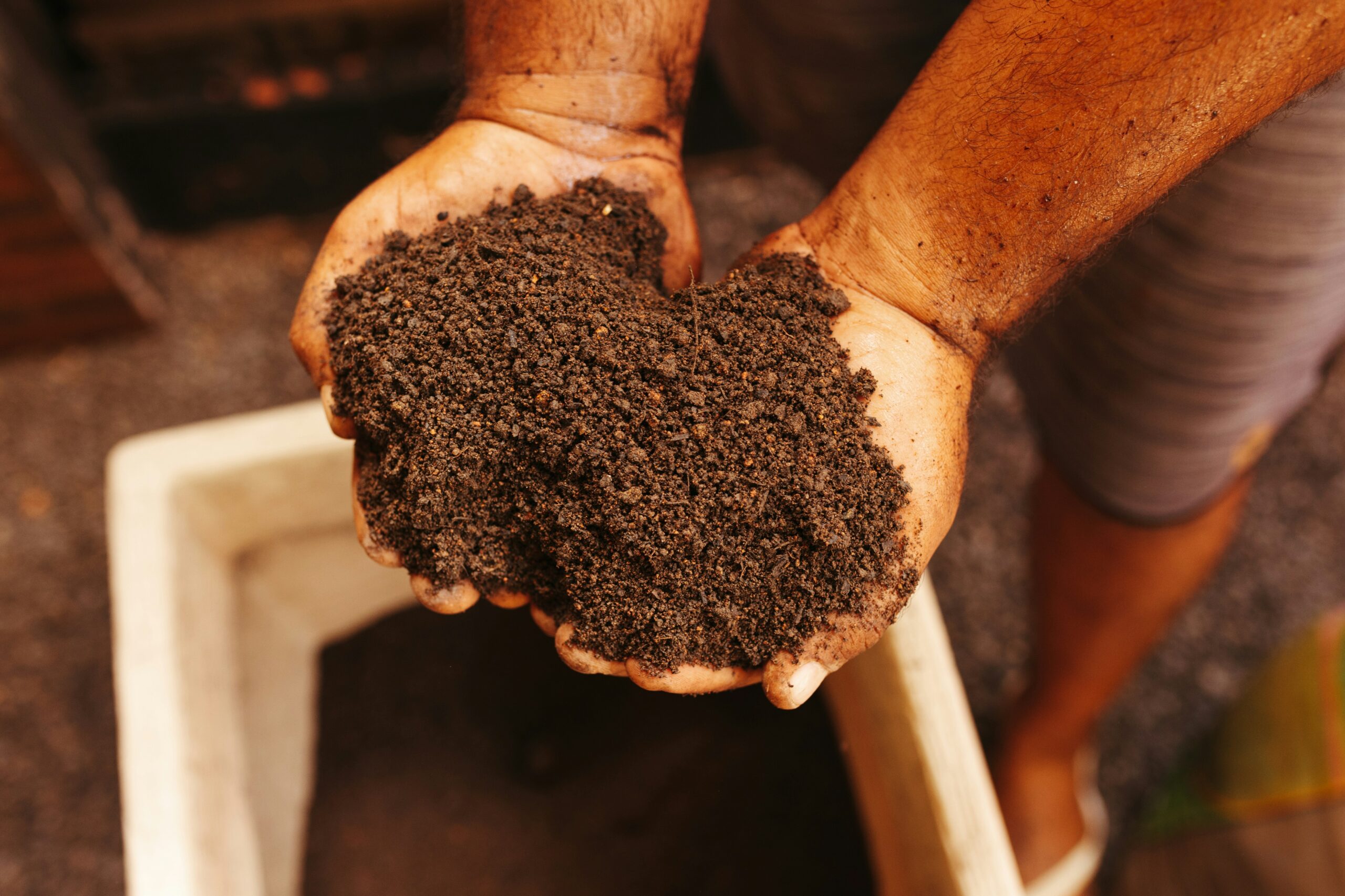
We registered the project under the UNFCCC's CDM and deployed aerobic windrow composting, a process that enables carbon sequestration while handling the city's waste at scale.
To build the RDF business, we formed a joint venture with Lafarge and secured a commercial offtake agreement with Lafarge Cement to use the fuel.
What We Delivered
The project generated more than 350,000 verified emission reductions under the CDM, backed by a joint venture and an offtake agreement that gave the RDF business a committed buyer.
350k+verified emission reductions
1,000tons of waste processed per day
1stlarge-scale MSW composting project in Pakistan
Our Impact
The project delivered emission reductions, soil health benefits and a viable RDF business model.
It also set a national benchmark for innovative waste management and climate impact, showing how carbon finance can make waste projects work in a market without composting mandates.