A petrochemicals Client in Saudi Arabia needed a clear view of a project's environmental footprint to move it forward. We carried out a screening life cycle assessment (LCA), from greenhouse gas (GHG) inventory to impact analysis, and identified where mitigation would matter most.
- Location
- Saudi Arabia
- Sector
- Petrochemicals
The Brief
The Client asked us to conduct GHG assessments for the project and define the LCA's system boundaries, goals and functional units. The scope then covered building a Life Cycle Inventory (LCI) from process and energy flow data, and performing a Life Cycle Impact Analysis (LCIA) to identify environmental hotspots.
All findings were to be reported in compliance with ISO 14040/14044 and local regulations.
The Obstacle
Data on energy flows and utility use was limited, so parts of the analysis had to rely on assumptions and proxies.
The assessment also called for detailed breakdowns of waste gases and wastewater, with little primary data available to build them from.

Our Approach
We set the system boundaries, goals and functional units, then built the LCI from the process and energy flow data available, filling gaps with assumptions and proxies where primary data fell short.
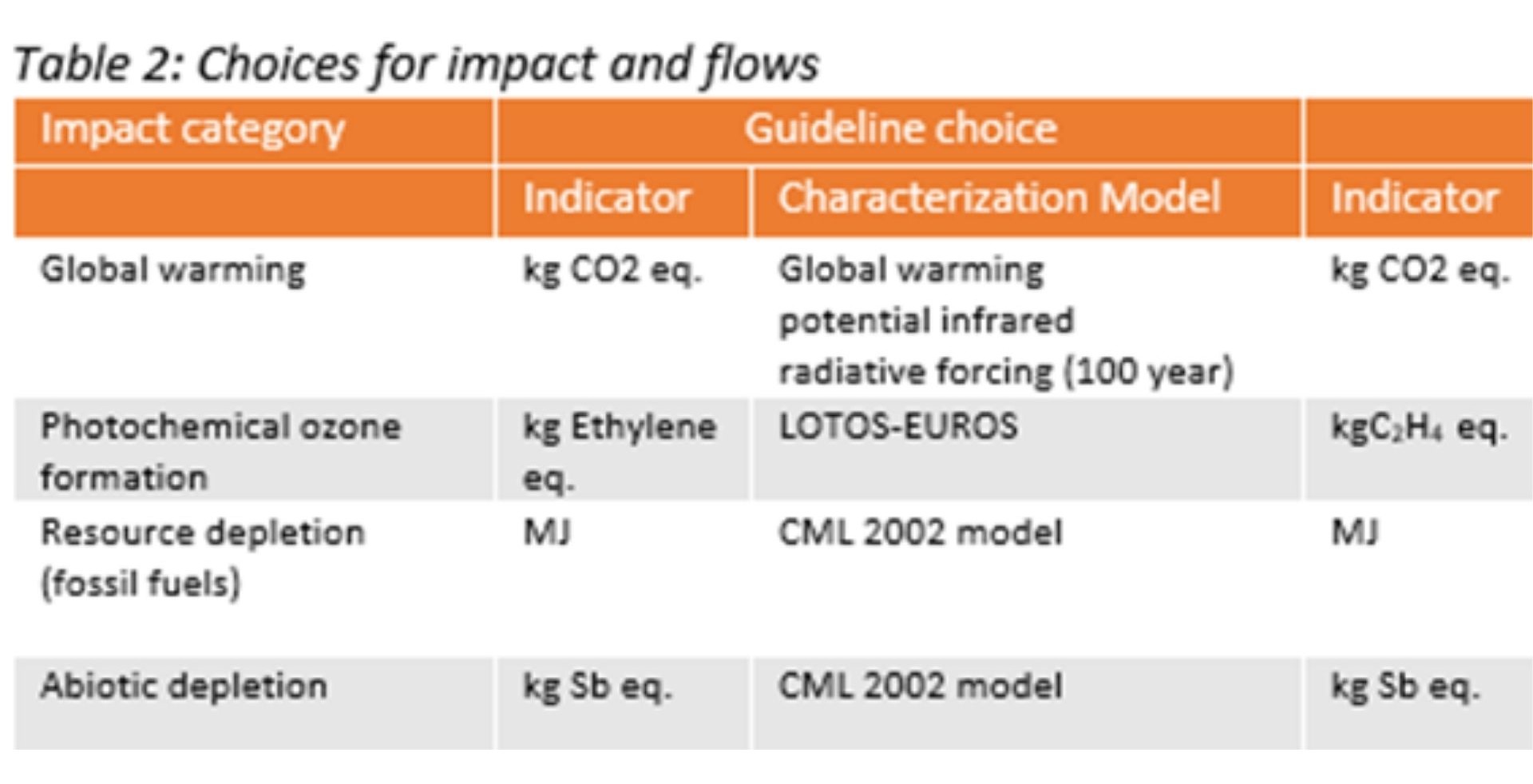
The resulting GHG inventory covered fuel, wastewater and gaseous emissions, and fed an LCIA across eight impact categories, including global warming and resource depletion.
What We Delivered
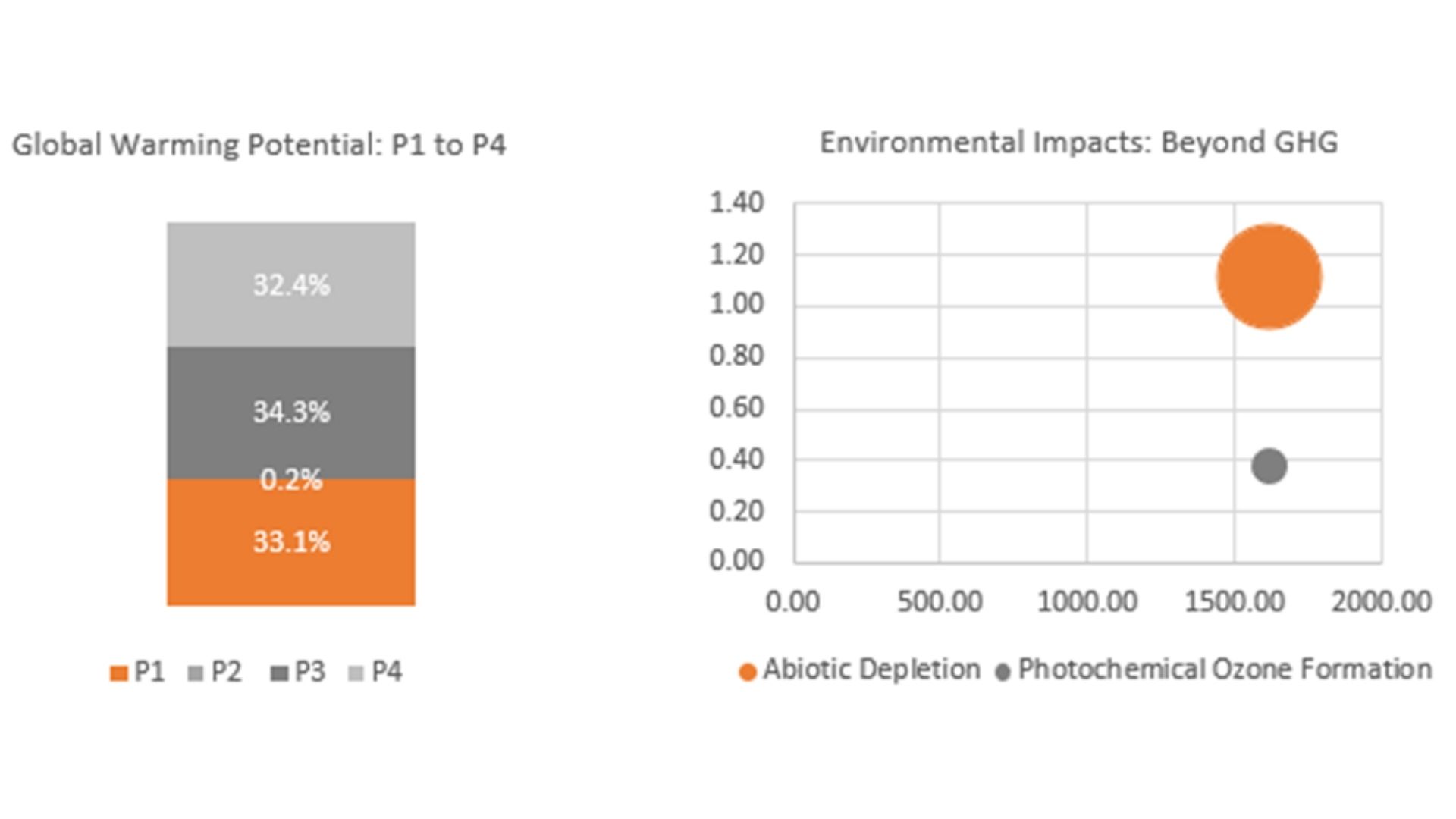
LCA reports prepared in line with ISO 14040/14044 and local regulations, with mitigation actions proposed for the two highest-impact areas: global warming and abiotic depletion.
8impact categories assessed in the LCIA
3emission sources in the GHG inventory: fuel, wastewater and gaseous
2highest-impact areas targeted with mitigation actions
Our Impact
The analysis enabled the project to advance, giving the Client actionable insights on its key environmental risks.
With hotspots identified and mitigation actions proposed for global warming and abiotic depletion, the Client had a clear basis for reducing the project's environmental impact.