
A Saudi holding company needed to decide how three of its subsidiaries, spanning remote work, business consultancy and mobility services, should be funded going forward. We assessed their commercial and financial performance and gave management a clear view of where each business stood.
- Location
- Saudi Arabia
- Sector
- Digital Platforms, Future of Work & Mobility Services
The Brief
The Client asked us to assess commercial and financial performance across its freelance, business consultancy, flexible-work, remote-work and mobility platform activities.
The central question was whether its three subsidiaries should continue to seek funding support from the holding company, or aim to secure a bank loan instead.
The Obstacle
Each subsidiary depended too heavily on a single source of revenue. The remote work business lacked diversification and was counting on windfall revenue from a "Freelance Fee" due to begin under contract in 2026.
The business consultancy faced serious capacity issues and relied entirely on low-margin government contracts, making it difficult to build a profitable business. The mobility company depended on its government-licensed segment, again with little diversity in how it generated revenue.

Our Approach
We brought all three subsidiaries' business lines into a single integrated model, then normalized their reported performance to reveal each business's underlying capacity to generate cash.
Valuation sensitivities then tested how each business would respond to changes in adoption, pricing and margins, when it could break even, and how much funding it would need.
What We Delivered
A modeling and analysis toolkit to test each subsidiary's prospects and funding needs.
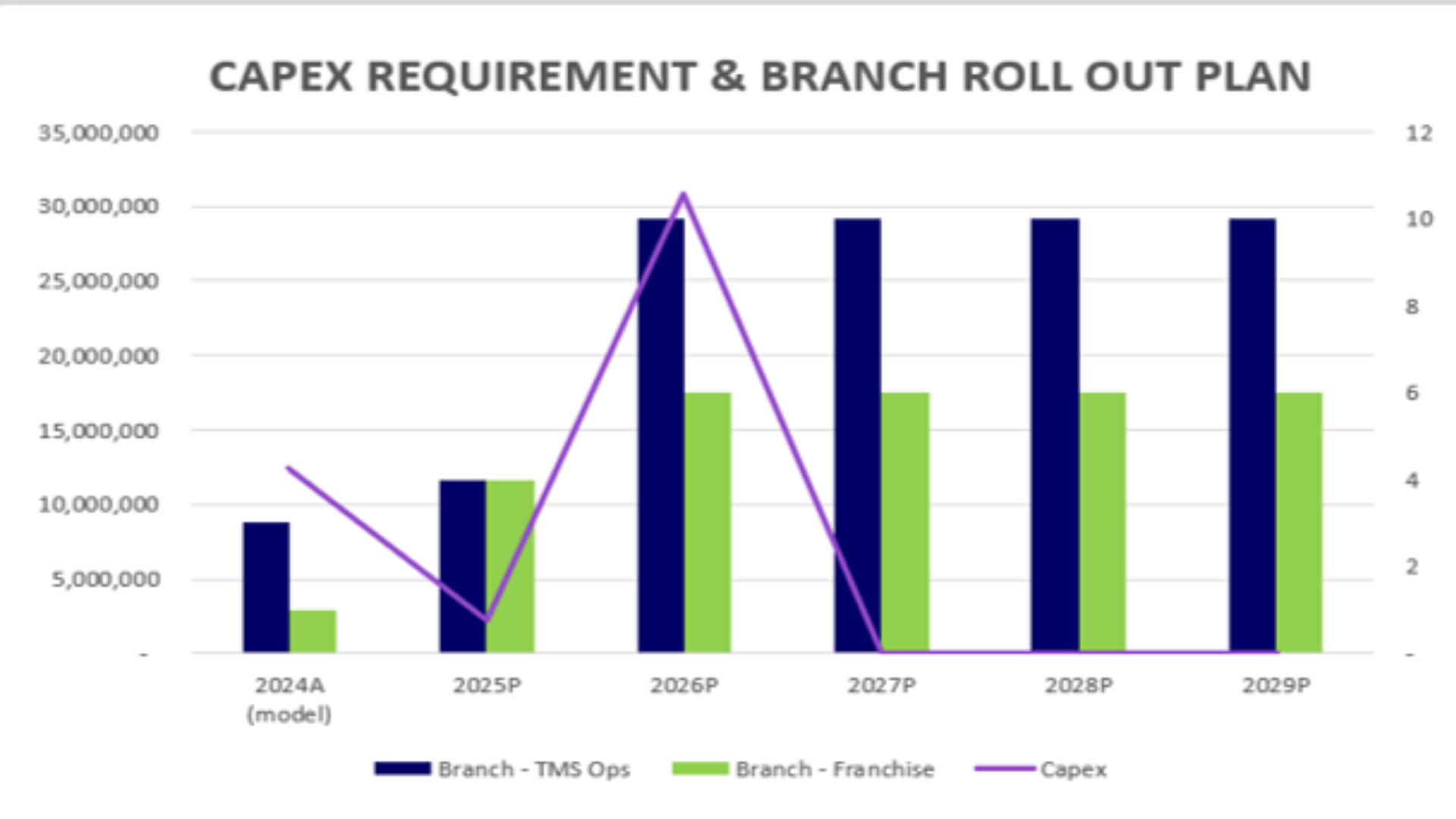
- Integrated three-statement model: linking business-line revenues, direct costs, marketing, overheads, capital expenditure, leases and working capital.
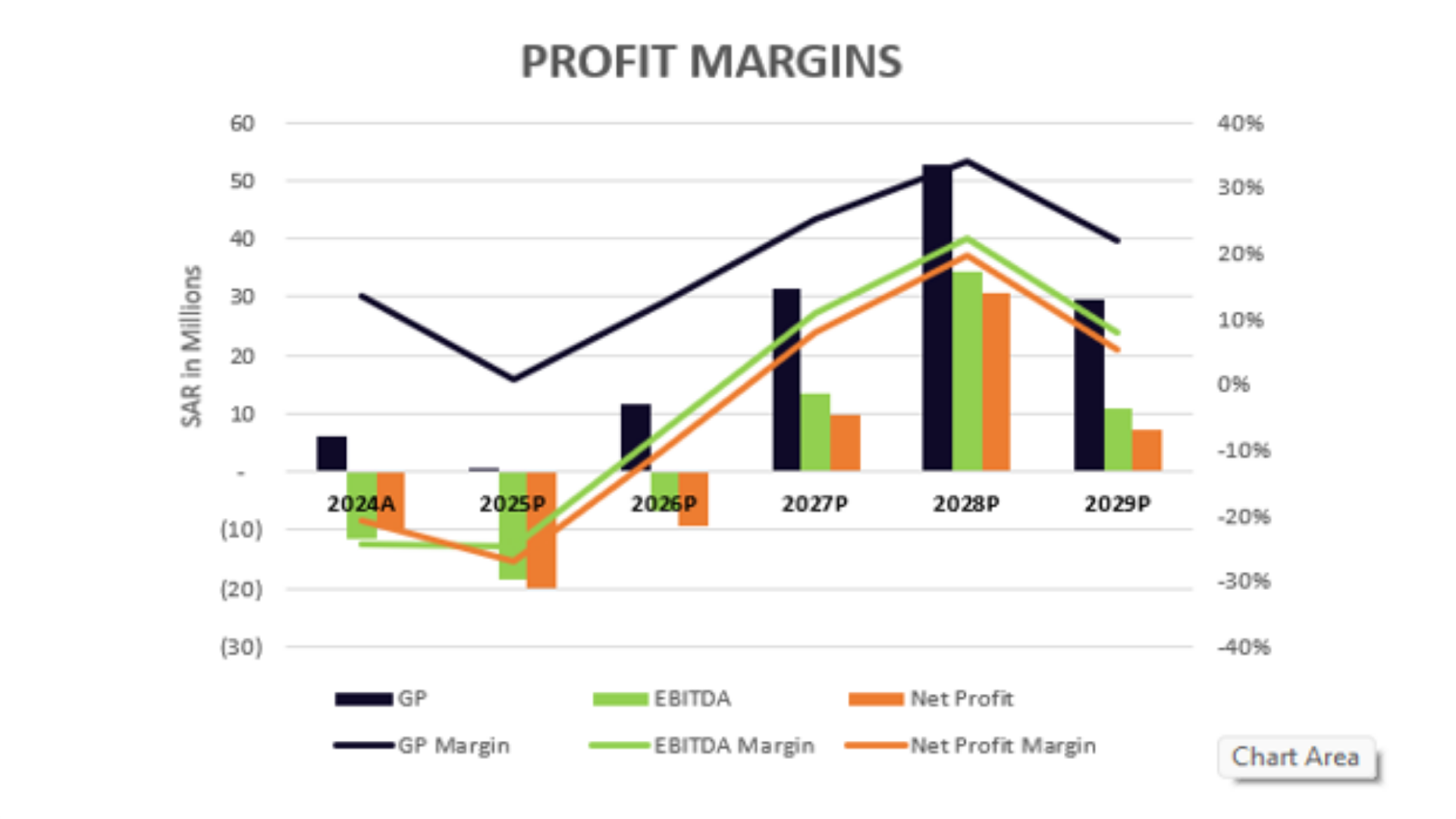
- Normalized performance analysis: covering operating losses, Murabaha income, subsidiary losses, related-party balances and underlying cash-generation capacity.
- Valuation sensitivities: around platform adoption, transaction volumes, pricing, marketing efficiency, gross margins, breakeven timing and funding needs.
Our Impact
The assessment gave management clear direction for each of the three subsidiaries.
For the remote work subsidiary, we identified that rapid revenue growth had not yet translated into adequate gross profit, operating leverage or sustainable earnings.
For the mobility subsidiary, we provided a decision-support framework for investment prioritization, platform expansion and cost rationalization.
For the business consultancy, we advised management to move away from third-party contractors by developing in-house talent.