
The psychological effects of gambling on decision-making a Pinco exploration
The Nature of Gambling and Decision-Making
Gambling is an activity that engages individuals in a unique psychological experience, often influencing their decision-making processes. Players must weigh potential risks against anticipated rewards, which can lead to a range of emotional responses. This interplay between risk and reward is critical, especially in environments like online casinos where the stakes can feel both thrilling and daunting. For more information on gaming experiences, you can visit https://stonesoupinn.ca/.
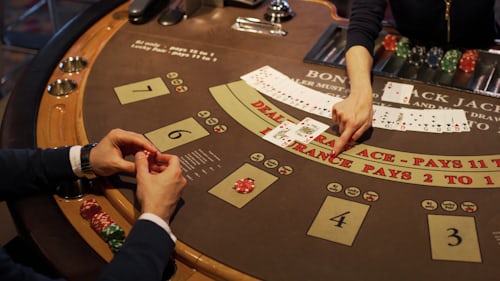
The excitement of betting can skew rational judgment, as players may become overly optimistic about their chances of winning. This phenomenon can lead to decisions based on emotion rather than logic, potentially resulting in impulsive behavior that disregards long-term consequences. Understanding this dynamic is essential for both players and operators to promote responsible gambling practices.
The Impact of Online vs. Offline Gambling
The context of gambling—whether online or in a physical setting—significantly affects decision-making. In offline environments, social interactions and immediate sensory feedback contribute to the gambling experience. Players may feel social pressure, which can amplify their willingness to take risks. The physical presence of other players can create a sense of accountability or competition that impacts decisions.
Conversely, online gambling platforms, such as Pinco Casino Canada, offer a different dynamic. The absence of face-to-face interaction can lead to a more solitary decision-making process. Players may feel less restrained in their betting choices, which can increase the likelihood of chasing losses. The convenience and accessibility of online platforms can further blur the lines between recreational play and problematic gambling behaviors.
Cognitive Biases in Gambling Decisions
Cognitive biases play a substantial role in how individuals approach gambling. One common bias is the illusion of control, where players believe they can influence the outcome of random events, such as slot machines or card games. This overestimation of personal influence can lead to misguided confidence, encouraging further gambling despite losses.
Another prevalent bias is the gambler’s fallacy, where players assume that past outcomes will affect future ones. For instance, a player might think a slot machine is “due” for a payout after a series of losses. These biases can heavily influence decision-making, leading players to make irrational choices that detract from their overall gaming experience, particularly in settings like Pinco Casino Online.
The Role of Emotions in Gambling Decisions
Emotional states significantly impact gambling behavior, with feelings of excitement, anxiety, or frustration shaping decision-making processes. Winning can elicit a rush of dopamine, leading to a desire for more gambling as players seek to replicate that high. This emotional response can cloud judgment, prompting individuals to continue betting even when they are at a loss.
On the other hand, losses can trigger negative emotions, such as anger or despair, which may lead players to engage in “chasing” behavior. This occurs when individuals gamble more in an attempt to recover lost money, often resulting in more significant financial losses. Recognizing the emotional aspects of gambling is crucial for fostering a healthy approach to gaming.
Pinco: A Case Study in Responsible Gambling
Pinco serves as a compelling case study in understanding the psychological effects of gambling on decision-making. The platform emphasizes player safety and responsible gaming, providing tools and resources to help users manage their gambling habits. By promoting awareness of cognitive biases and emotional influences, Pinco Casino seeks to create a safer online gambling environment.
With features like self-exclusion options and limit-setting tools, Pinco Casino empowers players to take control of their gambling decisions. This focus on psychological well-being not only enhances the gaming experience but also addresses the broader issue of gambling-related harm. By prioritizing responsible practices, Pinco aims to foster a more sustainable and enjoyable gambling landscape.

Leave a Comment